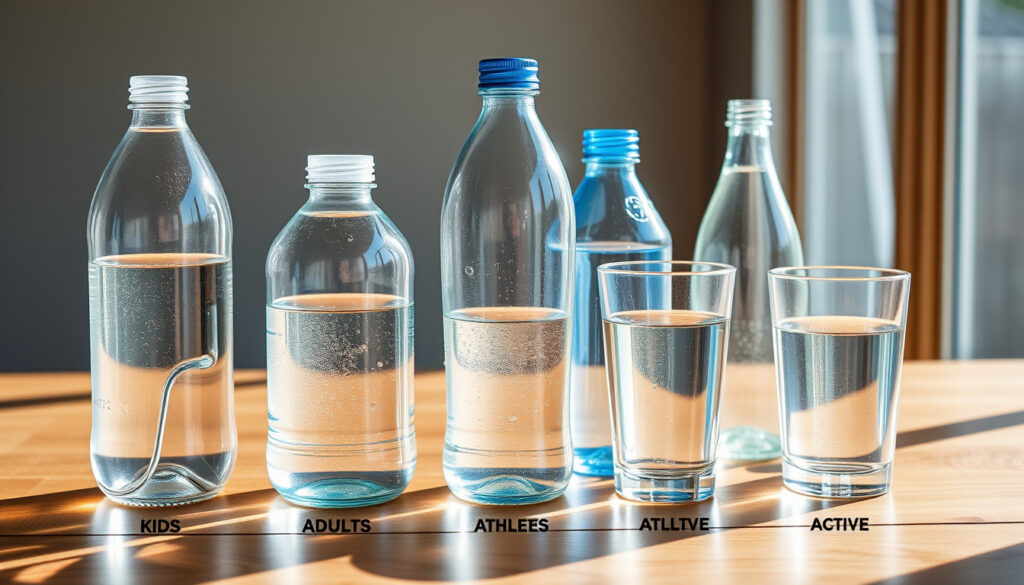
How Much Water Should You Drink a Day – By Age, Sex and Activity
Staying properly hydrated ranks among the most fundamental aspects of maintaining good health, yet determining exactly how much water to drink each day continues to confuse many people. Recommendations vary considerably depending on age, sex, activity level, and environmental conditions, making it difficult to identify a single figure that works for everyone.
This guide examines evidence-based recommendations from leading health organizations, explains the factors that influence individual water needs, and separates common hydration myths from scientific facts. Understanding these guidelines can help you develop a personalized hydration strategy that supports your overall wellbeing.
How Much Water Should You Drink a Day?
General hydration recommendations differ substantially between demographic groups. The Institute of Medicine (IOM) provides gender-specific guidelines for healthy adults, while accounting for the fact that approximately 20% of daily water intake typically comes from food sources rather than beverages alone.
13 cups
3.7 liters daily
9 cups
2.7 liters daily
5-11 cups
varies by age
+17-20 oz
before exercise
When accounting for water obtained through food consumption, total daily fluid intake recommendations reach approximately 15.5 cups for men and 11.5 cups for women, according to the Academy of Nutrition and Dietetics.
Recommendations for Men
Adult men require approximately 13 cups (104 ounces or 3.7 liters) of total fluid intake daily from all sources, as established by the Institute of Medicine. This baseline recommendation assumes a generally healthy adult living in a temperate climate with moderate activity levels. Body water content tends to be higher in men than women, which partially explains the greater absolute fluid needs, according to Better Health Channel.
Recommendations for Women
Adult women need approximately 9 cups (72 ounces or 2.7 liters) of total fluid intake daily. Pregnant women require increased amounts, with the IOM recommending 10 cups (80 ounces) of water daily. Breastfeeding women have even higher needs—up to 13 cups (104 ounces) daily—to maintain adequate milk production, as documented by Healthline.
- The 9 cups for women and 13 cups for men represent fluid from beverages specifically
- Water-rich foods like cucumbers, watermelon, oranges, and lettuce contribute roughly 20% of daily intake
- Individual needs vary based on body composition, activity level, and environmental conditions
- Most mature adults lose 2.5 to 3 liters of water daily through normal bodily processes
- Elderly individuals typically lose approximately 2 liters daily, making hydration awareness particularly important in older populations
- Thirst becomes a less reliable indicator of hydration status as people age
- Clear or light yellow urine generally indicates adequate hydration
| Factor | Base Amount | Adjustment |
|---|---|---|
| Sedentary Adult (Women) | 9 cups (2.7L) | Baseline |
| Sedentary Adult (Men) | 13 cups (3.7L) | Baseline |
| Pregnancy | 10 cups (3L) | +1 cup from standard |
| Breastfeeding | 13 cups (3.7L) | +4 cups from standard |
| Hot/Humid Climate | Varies | Significant increase |
| High Altitude (8,200 ft+) | Varies | Increased needs |
| Fever/Illness | Varies | Increased requirements |
How Much Water Intake Based on Weight and Activity?
While general recommendations provide useful starting points, individual water needs depend heavily on body weight, physical activity levels, and environmental factors. The Mayo Clinic emphasizes that water needs vary based on body type, activity level, and environment.
Weight-Based Calculation
A commonly referenced approach suggests dividing body weight in pounds by two to determine approximate daily water intake in ounces. For example, a person weighing 150 pounds would target approximately 75 ounces (about 9 cups) of water daily. However, this formula represents a simplified guideline rather than a medically established standard, and it does not account for numerous influencing factors.
Adjustments for Exercise and Climate
Physical exertion substantially increases fluid requirements. The American Council on Exercise recommends drinking 17 to 20 ounces of water two to three hours before exercise, with an additional 8 ounces consumed immediately before physical activity. During and after exercise, another 8 ounces should be consumed for every 20 minutes of activity, according to Healthline.
For workouts lasting longer than one hour, fluid needs increase considerably. Athletes engaged in prolonged endurance activities may require electrolyte-enhanced beverages in addition to plain water to replace sodium and potassium lost through sweat.
Environmental conditions significantly affect hydration requirements. People living in hot climates or at elevations greater than 8,200 feet above sea level require more water than those in temperate environments. Hot and humid weather accelerates water loss through sweating, while high altitudes increase dehydration risk by elevating respiratory water loss, as documented by the Mayo Clinic.
Is 8 Glasses of Water a Day Enough?
The popular “8 glasses a day” rule has become deeply embedded in popular health culture, but this recommendation is not based on solid scientific evidence. Health authorities consistently emphasize that this rule oversimplifies hydration needs and does not account for the significant variation among individuals.
Debunking the 8×8 Rule
The 8×8 rule—which suggests drinking eight 8-ounce glasses of water daily—lacks robust scientific foundation. While it provides a reasonable starting point for general hydration, current recommendations from the Institute of Medicine offer more nuanced, evidence-based guidance that accounts for individual differences in body size, activity level, and environmental conditions, as noted by Healthline.
“There is no universal recommendation for how much water people should drink each day, because it depends on individual needs, lifestyle, climate, and overall health.”
— Mayo Clinic, Healthy Lifestyle Nutrition Guidelines
What Counts Toward Hydration
Total fluid intake includes water from all sources—both beverages and food. This distinction matters because the beverage recommendations (9 cups for women, 13 cups for men) represent the fluid that should be consumed as drinks to meet total daily needs, according to the Academy of Nutrition and Dietetics.
Most beverages contribute to daily hydration, including coffee, tea, milk, and juice. While caffeinated beverages have mild diuretic properties, research indicates they still contribute meaningfully to overall fluid intake. Water-rich foods such as cucumbers, watermelon, strawberries, lettuce, and soups also contribute approximately 20% of daily water intake, according to Harvard’s Nutrition Source.
About one-fifth of typical daily water intake comes from food. Incorporating water-rich vegetables and fruits supports overall hydration alongside beverage consumption.
Water Needs for Weight Loss and Health Risks
Proper hydration plays a supportive role in weight management, though water intake alone does not guarantee weight loss. Understanding the relationship between hydration and body weight, along with the risks of excessive consumption, helps establish balanced hydration habits.
Hydration for Weight Management
Drinking water before meals may support weight management efforts by promoting feelings of fullness and reducing calorie intake during meals. Some research suggests that adequate hydration supports metabolic function, though the direct mechanism linking increased water consumption to weight loss remains incompletely understood. For those interested in weight management, maintaining proper hydration represents one component of a comprehensive approach that includes balanced nutrition and regular physical activity.
Proper hydration also supports digestive health. Why Am I Constipated – Causes, Signs and Relief explores how adequate fluid intake helps prevent constipation and supports regular bowel movements as part of overall digestive function.
Risks of Overhydration
While dehydration poses well-known health risks, excessive water intake—though rare—can lead to hyponatremia, a dangerous condition where sodium levels in the blood become abnormally low. This occurs when people drink far more water than their bodies can process, diluting blood sodium concentration and potentially causing cells to swell.
Symptoms may include nausea, headache, confusion, and in severe cases, seizures or coma. Athletes performing endurance events and individuals with certain medical conditions face higher risk. Most healthy people need not monitor water intake obsessively—the body’s thirst mechanism generally provides adequate guidance.
Certain health conditions significantly alter fluid requirements. People with congestive heart failure, renal disease, serious infections, or diarrhea have different fluid needs than generally healthy individuals, as documented by the Academy of Nutrition and Dietetics. Anyone with medical conditions affecting fluid balance should consult healthcare providers for personalized recommendations.
Evolution of Hydration Guidelines
Understanding how hydration recommendations have developed over time provides context for current guidelines and highlights the ongoing refinement of scientific understanding.
- 1945: The Food and Nutrition Board of the National Research Council suggested approximately 1 milliliter of water per calorie consumed, which translated to roughly 8 glasses daily—though this figure included water content from food sources, a nuance often overlooked in popular interpretation.
- 2004: The Institute of Medicine published comprehensive dietary reference intakes that established gender-specific adequate intake levels of 3.7 liters for men and 2.7 liters for women, accounting for total water from all sources.
- 2020s: Current recommendations continue to emphasize individual variation while providing baseline figures that account for age, sex, pregnancy status, and environmental factors.
What Science Confirms and What Remains Uncertain
Research has established certain aspects of hydration with reasonable confidence while other areas remain subjects of ongoing study.
| Established Information | Information That Remains Unclear |
|---|---|
| Men require more water than women | Optimal hydration timing (before vs. with meals) |
| Physical activity increases water needs | Precise weight-based calculations for individuals |
| Hot climates and high altitude increase needs | Exact benefits of hydration for specific health conditions |
| Food contributes roughly 20% of water intake | Optimal urine color for individual health contexts |
| The “8 glasses” rule lacks scientific basis | Long-term effects of slight chronic underhydration |
| Pregnancy and breastfeeding increase needs | Whether forcing hydration beyond thirst provides benefits |
Understanding Your Personal Hydration Needs
Several biological and environmental factors determine individual water requirements. The body cannot store water and requires fresh supplies daily, according to Better Health Channel. This constant need means hydration must be maintained throughout each day rather than addressed in isolated episodes. Understanding your personal hydration needs is crucial, and for women, factors like the menstrual cycle can also play a role, which you can learn more about at What is a menstrual cycle.
Body water content varies with age and sex, being higher in men than women and declining in both sexes as people age. Most mature adults lose 2.5 to 3 liters of water daily through urination, breathing, sweating, and bowel movements. Elderly individuals typically lose approximately 2 liters daily, making regular hydration particularly important for older adults.
“Thirst is not always a reliable early indicator of hydration status. By the time you feel thirsty, you may already be slightly dehydrated.”
— Centers for Disease Control and Prevention
Dehydration can be life-threatening, particularly for babies, children, and elderly people, as documented by Better Health Channel. Water loss accelerates during travel—an air traveler can lose approximately 1.5 liters of water during a three-hour flight, making conscious hydration during air travel especially important.
Expert Sources and Guidelines
The recommendations in this guide derive from several authoritative health organizations that have established hydration guidelines based on comprehensive scientific review.
The Institute of Medicine provides gender-specific adequate intake levels for total daily water intake from all sources. The Centers for Disease Control and Prevention offers public health guidance on hydration, emphasizing that water needs vary based on activity level, health status, and environmental conditions. Mayo Clinic provides clinical guidance on fluid intake, while Harvard’s Nutrition Source offers academic perspectives on hydration science.
These recommendations represent current consensus-based guidelines for healthy populations, though individual needs may vary based on personal circumstances and health status. People with medical conditions should seek personalized guidance from healthcare providers.
Building Your Daily Hydration Strategy
Translating general guidelines into practical daily habits requires understanding your individual circumstances and establishing sustainable routines. Starting your day with water, keeping beverages accessible throughout work hours, and responding to thirst signals all support consistent hydration.
For those engaging in regular physical activity, planning hydration around workouts ensures adequate fluid replacement. Monitoring urine color—aiming for pale yellow rather than dark amber—provides a simple indicator of hydration status. Carrying a reusable water bottle facilitates consistent intake throughout the day.
Exercise intensity and duration both influence hydration needs. Those following Zone 2 Heart Rate – Calculate Yours, Benefits and Training Tips may find that longer, moderate-intensity sessions at lower heart rates generally require less aggressive hydration strategies compared to high-intensity interval training or prolonged endurance activities.
Frequently Asked Questions
Children ages 4-8 need approximately 5 cups (1.2 liters) daily. Those aged 9-13 require 7-8 cups, while teenagers 14-18 need 8-11 cups depending on their size and activity level.
Yes, caffeinated beverages contribute to daily fluid intake despite mild diuretic properties. Research indicates coffee hydrates similarly to water when consumed in moderate amounts.
A common approximation suggests dividing body weight in pounds by two to get ounces needed daily. However, this provides only a rough estimate that does not account for activity level, climate, or individual variation.
The “8 glasses” rule does not apply universally. Men typically need 13 cups and women 9 cups of beverages daily, with additional water coming from food sources. Individual needs vary considerably.
Drinking water before meals may support weight management by promoting fullness, but no specific amount guarantees weight loss. Adequate hydration supports overall metabolic function as part of a comprehensive weight management approach.
Excessive water intake can cause hyponatremia, a dangerous condition where blood sodium becomes diluted. Symptoms include nausea, confusion, and in severe cases, seizures. This primarily affects endurance athletes and those with certain medical conditions.
Physical activity significantly increases water requirements. The American Council on Exercise recommends drinking 17-20 ounces of water 2-3 hours before exercise, with additional fluid during and after workouts proportional to exercise duration and intensity.
More related posts
 Imogen Poots: Biography, Career & James Norton Relationship
 Sleep Masks: Benefits, Downsides & How to Choose
 Football Scores Today Live Scores – Best Sites & Apps
 14 Signs of Liver Damage from Alcohol: Symptoms & Recovery
 Linda Kozlowski: Life After Crocodile Dundee
 Horseback Riding in Ireland: A Beginner’s Guide
 Jonny Wilkinson: Life After Rugby, Buddhism, Family, and Net Worth
 Colin Salmon: Biography, Height, Ethnicity, and EastEnders Role