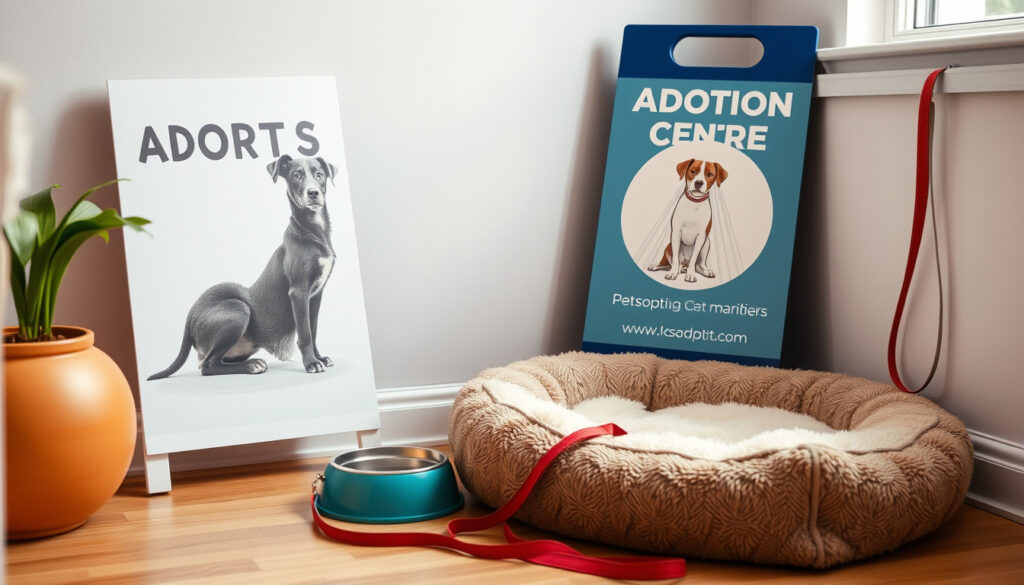
Pets for Homes UK: Find, Adopt, and Care for Your Perfect Pet
Anyone who has scrolled through pet adoption pages knows the mix of excitement and uncertainty — finding a new furry family member is only half the story. This UK-focused guide brings together where to find pets for homes UK, what they cost in the long run, and the behavioural advice that makes the transition smoother for both of you. From the 7-7-7 rule for rescue dogs to the cheapest breeds to own, here’s what you need to know before bringing a pet home.
UK households with a pet: ~57% ·
Number of pet dogs in the UK: ~12 million ·
Annual rehomings by RSPCA: over 50,000 animals
Quick snapshot
- About 57% of UK households own a pet (PDSA (UK veterinary charity))
- Labrador Retriever is the most popular dog breed in the UK (The Kennel Club (UK dog registry))
- Citrus, vinegar, and chili are smells most dogs dislike (American Kennel Club (canine organisation))
- Whether dogs truly say goodbye before death — only anecdotal accounts exist
- If cheap dog breeds lead to lower lifetime costs across the board
- 7-7-7 rule: 3 days decompression, 3 weeks settling, 3 months bonding for rescue dogs (Pets4Homes (UK pet marketplace advice))
- New Puppy Smuggling Bill bans import of puppies under 6 months — enforcement begins 2025 (Pets4Homes (UK pet policy updates))
Six data points capture the essentials of UK pet ownership in a single glance.
| Metric | Value |
|---|---|
| Number of pet dogs in UK | ~12 million (PDSA estimate) |
| Most popular dog breed in UK | Labrador Retriever (Kennel Club) |
| Average annual cost of dog ownership | £1,500 – £2,000 (including food, vet, insurance) |
| Least popular dog breed (US) | American Foxhound (Rover.com (pet services platform)) |
| Heartbreak breed nickname | Great Danes – known for short lifespan and health issues (WebMD (pet health resource)) |
| 7-7-7 rule origin | Popular rescue guideline, not a scientific standard |
What is the cheapest dog to buy in the UK?
Affordable dog breeds in the UK
- Jack Russell Terrier – often rehomed for under £100 from rescues
- Staffordshire Bull Terrier – typical adoption fee £150-£250
- Beagle – cheaper through rescue than breeders
- Border Terrier – moderate purchase price but lower health costs
The pattern: rescue centres offer the most affordable option. Adopting from a registered shelter like RSPCA Find a Pet (UK animal welfare charity) costs a fraction of breeder prices, and the fee often includes initial vaccinations and neutering.
Initial costs vs ongoing costs
Two cost scenarios, one lesson: the initial purchase is just the start.
| Cost type | Rescue dog | Breeder puppy |
|---|---|---|
| First-year total | £500 – £1,000 | £2,000 – £4,000 |
| Annual ongoing (food, vet, insurance) | £1,200 – £1,800 | £1,500 – £2,500 |
| Lifespan (12-15 years) total | £15,000 – £27,000 | £20,000 – £35,000 |
The trade-off: a cheap breed on paper can still cost thousands over its life, but adoption drops both the entry price and supports ethical rehoming.
What is the 7 7 7 rule for dogs?
Understanding the 7-7-7 rule
- 3 days – Decompression phase: let the dog adjust without demands.
- 3 weeks – Settling phase: introduce routines and boundaries.
- 3 months – Bonding phase: deeper trust and consistency.
This framework, widely shared by rescue groups including Pets4Homes (UK pet adoption advice), is not a scientific standard but a practical guideline for newly adopted dogs.
For UK adopters, rushing the 7-7-7 phases can increase return-to-shelter rates. The first three days especially set the tone for the dog’s long-term comfort in a new home.
The implication: sticking to this timeline reduces stress for both dog and owner.
Applying the rule to your adopted dog
- Day 1-3: Create a quiet room, use calming pheromones, avoid visitors.
- Week 1-3: Start short walks, consistent feeding times, and basic commands.
- Month 1-3: Build trust with play, positive reinforcement, and gradual exposure to new environments.
How do dogs say ‘I love you’?
Signs of canine affection
- Tail wagging to the right – indicates positive emotions (hemisphere research from American Kennel Club (canine behaviour experts))
- Soft eye contact and blinking – a sign of trust
- Leaning into you – seeking closeness
- Licking – a social grooming behaviour
These signals, according to certified dog behaviourists, are how dogs communicate affection without words.
“Dogs don’t use words, but they show love through consistent, trusting behaviours like leaning, licking, and relaxed body language.”
Certified dog behaviourist, American Kennel Club
How to communicate love back
- Use gentle petting and calm tone of voice
- Engage in play that respects their boundaries
- Maintain routines – dogs feel secure with predictability
- Respect their space when they show stress signals
What this means: love is built through consistency and respect, not grand gestures.
What smell do dogs absolutely hate?
Common offensive smells
- Citrus (oranges, lemons, grapefruit)
- Vinegar
- Chili powder and cayenne pepper
- Household ammonia
- Alcohol (rubbing alcohol)
These aversions are widely documented in AKC (canine training authority) and Pets4Homes (UK pet advice) resources. The reasoning: dogs have up to 300 million scent receptors, making strong chemical smells overwhelming.
Using smells to modify behavior
Three safe applications for UK pet owners:
- Citrus peels near houseplants to deter digging
- Diluted vinegar on furniture corners to curb chewing
- Chili powder sprinkled along flower beds (not on surfaces the dog touches)
The catch: never spray directly on the dog or use concentrations that irritate skin or eyes. Always test in a small area first.
What is the least wanted dog?
Least popular dog breeds in the US vs UK
One breed stands out on both sides of the Atlantic as the “heartbreak breed.”
| Region | Least popular breed | Reason |
|---|---|---|
| United States (Rover.com) | American Foxhound | High exercise needs, low modern demand |
| United Kingdom (Kennel Club) | Sloughi, Norwegian Lundehund | Rare, unfamiliar, specific care requirements |
According to WebMD (pet health editorial), Great Danes hold the “heartbreak breed” nickname because of their short lifespan (6-10 years) and high rate of health issues like bloat and cardiomyopathy.
Why some breeds are less wanted
- Large size and associated costs
- Grooming demands (e.g., long-haired breeds)
- Reputation for aggression (often unfair)
- Lack of recognition or breed-specific health problems
The pattern: the least wanted dogs often make loyal, calm companions when their needs are met. RSPCA (UK animal charity) encourages considering overlooked breeds at shelters.
Great Danes are among the most loving giant breeds — but their short average lifespan means UK owners face heartbreak sooner than with smaller dogs.
The catch: these breeds often get overlooked but can be wonderful companions for the right owner.
Step-by-Step Guide: How to Find and Adopt a Pet in the UK
- Use RSPCA Find a Pet or Kennel Club Find a Puppy to list ethical options
- Verify breeder licences (if buying) — check local authority records
- Visit the animal in person; refuse third-party sales
- Confirm microchip, vaccination history, and health checks
- Prepare your home with a quiet space, safe outdoor area, and necessary supplies
- Apply the 7-7-7 rule for the first three months
Resources: Pets4Homes (five things to know before buying a puppy) and Pets4Homes (do animals like music depending on species) offer deeper preparation advice.
What’s confirmed vs what’s unclear
Confirmed facts
- Citrus, vinegar, and chili are smells most dogs dislike (veterinary consensus, AKC)
- Dog tail wagging direction indicates emotion (left vs right hemisphere, AKC)
- The 7-7-7 rule is a widely adopted rescue framework (Pets4Homes)
- UK puppy welfare laws require licences for breeders producing 3+ litters per year (Pets4Homes (policy section))
What’s unclear
- Exact mechanism of dog goodbyes before death – anecdotal evidence only
- Whether cheap dog breeds actually lead to lower lifetime costs (individual variation)
The pattern: confirmed facts give confidence, while uncertainties remind us that each dog is unique.
Expert perspectives on pet adoption
“Adopting from a shelter not only saves a life but also gives you a companion who is often already vaccinated, neutered, and assessed for temperament.”
“Great Danes are known as the heartbreak breed because of their short lifespan — owners often face the pain of loss far sooner than with smaller breeds.”
WebMD (healthy dogs editorial)
“A dog’s love language is built on trust: eye contact, leaning, and calm behaviour are the clearest signs of affection.”
Certified dog behaviourist via American Kennel Club
The consequences of rushing into pet ownership are real: UK shelters rehome over 50,000 animals annually, and many returns stem from mismatched expectations. For the new UK pet owner, the choice is clear: adopt from a trusted rescue, follow the 7-7-7 rule, and budget for the full lifetime cost — or risk both your finances and the animal’s welfare.
Related reading: five things to know before buying a puppy · do animals like music depending on species
Frequently asked questions
Where can I adopt a pet in the UK?
Use RSPCA Find a Pet or the Kennel Club rescue network. Local shelters across the UK also list dogs on their own websites.
What is the best pet for a small home in the UK?
Cats and small dog breeds like Jack Russell Terriers or Cavalier King Charles Spaniels suit flats well, provided they get daily exercise.
Are there cheaper alternatives to buying a dog?
Adopting from a rescue costs £50-£200, far less than breeder prices. Fostering is another low-cost way to care for a dog temporarily.
How long does it take for a rescue dog to adjust?
The 7-7-7 rule suggests 3 days to decompress, 3 weeks to settle, and 3 months to fully bond.
What should I do if my dog hates a certain smell?
Use the aversive smell as a training tool, but avoid direct contact or overwhelming concentrations. Always consult a vet if the reaction is extreme.
What are the hidden costs of pet ownership?
Insurance (£200-£600/year), emergency vet bills, boarding, grooming, and replacing damaged furniture can add £500-£1,000 annually beyond food.
How do I prepare my home for a new pet?
Set up a quiet room, remove toxic plants, secure wires, and buy a crate, bed, food bowls, and toys.
More related posts
 JFK Jr.: What Happened, Last Words, and Plane Crash Cause
 Jeffrey Dahmer: Verified Facts, Official Sources, Key Questions
 Premier African Minerals Share Price: Forecast & Risks
 Top 5 Free AI Art Generators: No Sign-Up & Unlimited
 Stan Moody: Biography, Prize Money, Highest Break & Career Facts
 How to Cut a Pineapple: Easy Steps, Hacks & No Waste
 Kylie Jenner Timothée Chalamet: Broadway Date, Age Gap Update
 Linda Kozlowski: Life After Crocodile Dundee