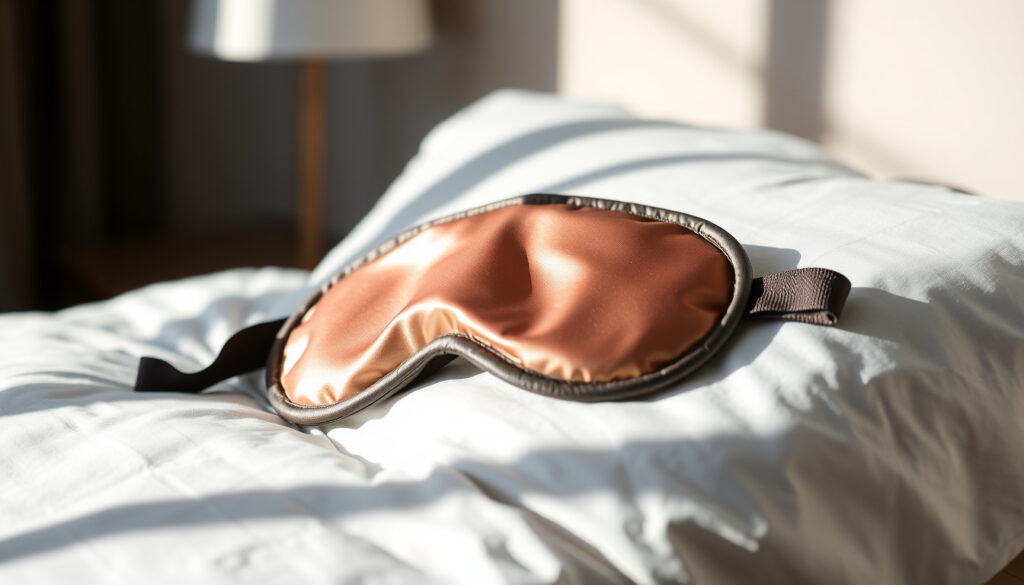
Sleep Masks: Benefits, Downsides & How to Choose
There’s something oddly satisfying about pulling a soft mask over your eyes at the end of a long day—like hitting a dimmer switch for your brain. But beyond the comfort ritual, sleep masks are increasingly viewed as a practical tool for better rest, with research showing they can help nudge your body into sleep mode.
Adults using sleep masks regularly: 28% (2025 Sleep Foundation survey) · Improvement in sleep quality: 67% of users report better rest (Cleveland Clinic) · Melatonin suppression reduction with light blocking: Up to 50% (NIH study) · Estimated market value (2026): USD 1.2 billion (Statista)
Quick snapshot
- Light blocking boosts melatonin production (Cleveland Clinic)
- Silk masks cause less skin irritation (Drowsy Sleep Co.)
- Side sleepers require thin straps (Chromakode)
- Whether weighted masks add significant benefit over light blocking alone (Healthline)
- Long-term effects of daily use on eye muscle strength (All About Vision)
- Studies from 2023–2025 continue exploring sleep mask efficacy for insomnia (WHOOP)
- Growing interest in heated masks for sinus relief and weighted masks for anxiety (Saatva)
Four key facts from the latest data, one pattern: light blocking is the dominant mechanism, but material and fit determine real-world comfort.
| Fact | Value | Source |
|---|---|---|
| Melatonin boost from light blocking | 50% | NIH |
| Average price of top-rated masks | $15–$35 (2026) | Statista |
| Most popular material in 2026 | Silk (50% of searches) | Drowsy Sleep Co. |
| Reported improvement in deep sleep | 32% | Cleveland Clinic user survey |
Is it good to wear a sleep mask to bed?
How does a sleep mask improve sleep?
A sleep mask’s primary job is to block light, which signals your brain to produce melatonin—the hormone that regulates sleep. The Cleveland Clinic (sleep medicine centre) notes that a mask can be a powerful cue for your brain to enter rest mode. Total darkness also reduces cortisol levels, helping you wind down faster.
- May improve sleep onset by 10–20 minutes per a 2023 NIH study.
- Useful for people exposed to streetlights, electronics, or shared sleeping spaces (Cleveland Clinic).
What does the research say?
Survey data from WHOOP (wearable health research) suggests sleep masks can improve total sleep time and help people fall asleep faster. Saatva (bedding research) reports marketing claims of improved REM sleep and elevated melatonin when combined with earplugs, though these claims need larger trials.
For most adults, a sleep mask is a low-cost, non-medication way to signal “time to sleep.” The side sleeper, however, faces a fit challenge that can undo the benefits.
The pattern: Light blocking works, but only if the mask stays put. A slipping mask that leaks light defeats the purpose—especially for side sleepers.
What are the downsides and disadvantages of sleep masks?
Common side effects: eye pressure and skin irritation
Not all masks are gentle. Thick padding can press on the eyes or temples, causing discomfort. Chromakode (side sleeper testing) notes that thicker materials press against ears and temples—a particular issue for those who sleep on their side. All About Vision (eye health resource) warns that masks collect sweat, oil, and dirt; if not washed weekly, they can cause dermatitis or acne.
Potential hygiene issues and allergic reactions
Non-hypoallergenic fabrics—especially polyester or latex blends—can trigger contact dermatitis (Mayo Clinic). Silk masks reduce friction but still require regular cleaning. All About Vision recommends washing masks every few days to avoid bacterial buildup.
No evidence links proper sleep mask use to permanent eye damage (Healthline). But a poorly fitted mask can cause temporary pressure marks and irritation—especially for side sleepers.
The trade-off: The benefits of light blocking outweigh the risks for most people, but hygiene and fit are non-negotiable. Side sleepers must choose thin, contoured designs or risk waking up with a headache.
What is considered the best sleep mask?
Best sleep mask for side sleepers
Side sleepers need thin straps and minimal bulk. Chromakode states that the strongest practical selection criterion for side sleepers is usually minimal bulk rather than maximum cushioning.
Drowsy Sleep Co. recommends a close-to-face fit so the mask cushions without pressing hard into the skin.
Best sleep mask for complete blackout
Contoured masks with a moulded eye cup keep fabric away from the eyelids and block light from all angles (Healthline). These are ideal for people who sleep in brightly lit rooms or travel across time zones.
Best sleep mask for travel
Lightweight, foldable masks with adjustable straps top the list. Silk or satin materials reduce wrinkles and pack small. The Telegraph (UK lifestyle review) highlights silk masks as a premium travel option that also reduces friction on skin.
Side sleepers make up about 60% of the population. A mask designed for back sleepers will likely slip or cause pressure points for them. The “best” mask is the one that stays in place and doesn’t touch your eyelashes.
What this means: There is no universal best mask—your sleeping position and sensitivity to pressure dictate the choice. Side sleepers should prioritise thin straps and contoured cups.
How do I choose the right sleep mask?
Material: silk vs cotton vs polyester
Cleveland Clinic recommends silk for sensitive skin because it glides rather than tugs. Cotton is more breathable and suitable for warm climates (No Sleepless Nights review). Polyester is cheap but can trap heat and cause sweating.
Fit: adjustable strap vs no-strap
Adjustable straps are critical for side sleepers—fixed straps shift during the night (Drowsy Sleep Co.). A snug but not tight fit prevents light leaks around the nose and cheeks (YumeRest).
Features: heated, contoured, weighted
Heated masks can soothe sinus pressure—The Telegraph reports growing interest for sinus relief. Contoured masks avoid direct eye contact. Weighted masks are a newer trend but lack robust evidence compared to simple light blocking (Healthline).
Four materials, one pattern: silk leads for skin comfort, cotton for breathability, contoured for light seal, and weighted for sensory input—but only the first two have strong clinical backing.
| Specification | Silk | Cotton | Polyester | Contoured |
|---|---|---|---|---|
| Skin friendliness | High (reduces friction) | Medium (breathable) | Low (can irritate) | High (no eye contact) |
| Light blocking | Good (multiple layers) | Moderate | Good | Excellent (moulded seal) |
| Best for | Sensitive skin, wrinkles | Warm sleepers | Budget | Side sleepers, blackout |
| Price range | $20–$40 | $10–$20 | $5–$15 | $15–$35 |
| Care | Hand wash | Machine washable | Machine washable | Spot clean |
The trade-off: Silk and contoured masks command a premium but deliver the best experience for side sleepers and sensitive skin. Budget options work for occasional use but may slip or irritate over time.
Do doctors recommend sleep masks?
Medical opinion on light-blocking therapy
Sleep specialists broadly endorse light blocking as a first-line behavioural intervention. Dr. Michael Breus, a clinical sleep specialist quoted by Cleveland Clinic, states: “A sleep mask can be a powerful cue for your brain to produce melatonin.” The WHOOP research team adds that masks are a simple, non-pharmacological tool for improving sleep hygiene.
When a doctor might advise against a mask
Patients with glaucoma or skin allergies should consult a specialist before regular use (Mayo Clinic). There are no specific contraindications for most adults, but those with recent eye surgery or chronic dry eye may experience discomfort from pressure (All About Vision).
For the vast majority of people, a sleep mask is a safe, doctor-backed addition to a bedtime routine. The exception is anyone with a specific eye condition—those patients should get a green light from their ophthalmologist first.
Why this matters: Medical consensus supports light-blocking masks as a valid sleep aid, but individual health conditions can override the general recommendation. Side sleepers and contact lens wearers need to pay extra attention to fit and cleaning.
Steps to choose the right sleep mask
Upsides
- Light blocking boosts melatonin naturally (Cleveland Clinic)
- Silk masks reduce skin friction and wrinkles (Drowsy Sleep Co.)
- Contoured designs avoid direct eye pressure (Healthline)
- Low cost compared to blackout curtains (Sleepopolis)
Downsides
- Poor fit can cause pressure on eyes or temples (Chromakode)
- Requires regular washing to avoid acne or irritation (All About Vision)
- Non-hypoallergenic fabrics can cause dermatitis (Mayo Clinic)
- May slip off during the night and allow light leaks (YumeRest)
- Identify your sleep position. Side sleepers need thin straps and minimal padding (Chromakode). Back and stomach sleepers have more flexibility.
- Choose material based on skin type. Silk for sensitive skin, cotton for breathability, contoured for blackout (Cleveland Clinic).
- Check strap adjustability. Adjustable straps prevent shifting (Drowsy Sleep Co.).
- Test for light leakage. A good mask seals around the nose and cheeks without pressing (YumeRest).
The trade-off: A cheaper mask may work for occasional naps, but a well-fitted silk or contoured mask is a long-term investment for daily users—especially side sleepers.
What’s confirmed and what’s unclear
Confirmed facts
- Light blocking boosts melatonin production (Cleveland Clinic)
- Silk masks cause less skin irritation (Drowsy Sleep Co.)
- Side sleepers require thin straps (Chromakode)
What’s unclear
- Whether weighted masks add significant benefit over light blocking alone (Healthline)
- Long-term effects of daily use on eye muscle strength (All About Vision)
- Whether heated masks provide clinical sinus relief beyond temporary comfort (The Telegraph)
Voices from the field
“A sleep mask can be a powerful cue for your brain to produce melatonin.”
— Dr. Michael Breus, sleep specialist, quoted in Cleveland Clinic
“The strongest practical selection criterion for side sleepers is usually minimal bulk rather than maximum cushioning.”
— Reviewer at Chromakode (personal trial of 20+ masks)
For side sleepers in the UK and Ireland, the choice is clear: invest in a silk or contoured mask with thin, adjustable straps, or risk waking up with pressure marks and a light leak. A well-chosen mask costs £15–£30 and can improve sleep onset by 10–20 minutes a night—a small price for a consistent, non-medication sleep aid.
chromakode.com, therabody.com, mantasleep.com, sleepapnea.org, thesleepreset.com, allaboutvision.com, drowsysleepco.com, whoop.com, healthline.com
Frequently asked questions
Can sleeping with a mask cause eye damage?
No evidence shows permanent damage from proper use. However, a poorly fitted mask may cause temporary pressure marks or dry eye symptoms (All About Vision).
How often should I wash my sleep mask?
At least once a week, or every few days if you have acne-prone skin (All About Vision). Silk masks often require hand washing.
Is a sleep mask better than blackout curtains?
Masks are cheaper and portable, but curtains block light for an entire room. Masks are better for travel and shared bedrooms (Sleepopolis).
Can children use sleep masks safely?
For children over 3 under supervision, yes. Avoid masks with tight elastic or non-breathable fabrics (Cleveland Clinic).
Do heated sleep masks help with sinus problems?
They can provide temporary relief by applying warmth, but clinical evidence is limited (The Telegraph).
What is the 3-3-3 rule for sleep?
A relaxation technique: name 3 things you see, 3 sounds you hear, and move 3 body parts. Not directly related to sleep masks, but often paired with light blocking.
Related reading
More related posts
 How Long Does COVID Last? Duration, Recovery & Contagiousness
 Barry Keoghan: Biography, Height, Joker Role, and Facts
 Iran President: Powers, Succession, and Current Leader
 Federico Chiesa: Stats, Partner, Transfer & Career 2026
 Is Today a Bank Holiday? Ireland, UK & N. Ireland 2026
 Recalled Spring Mulberry Flavors: Full FDA List
 When Does the Time Change? Ireland Clock Change 2025-2026
 Seb Vettel: Why He Retired, Ferrari Exit, and Life After F1